
Pee Gee Hydrangea: Growth Rate, Tree Form & Complete Care Guide
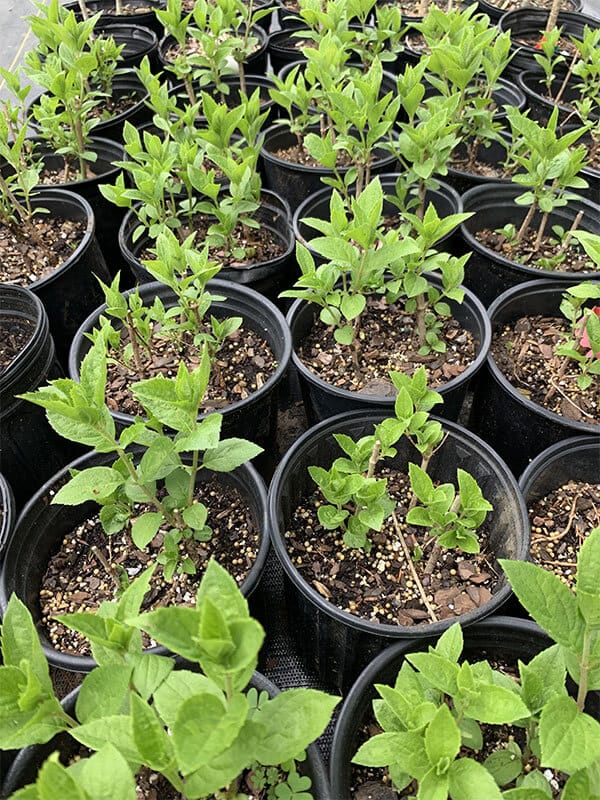
Hydrangea paniculata ‘Grandiflora’
If you’ve been searching for a low-maintenance flowering shrub that puts on a dramatic show from late summer into fall, the Pee Gee hydrangea deserves a spot at the top of your list. With massive creamy-white blooms, reliable cold hardiness, and a growth rate that makes patience optional, this old-fashioned favorite earns its place in landscapes both classic and contemporary.
What Is a Pee Gee Hydrangea?
The Pee Gee hydrangea (Hydrangea paniculata ‘Grandiflora’) gets its nickname from its botanical abbreviation — P.G. — short for paniculata grandiflora. It’s one of the hardiest hydrangeas available, thriving in USDA zones 3–8, and one of the few hydrangeas that can be trained into a single-trunk tree form rather than a multi-stemmed shrub.
Unlike bigleaf hydrangeas (H. macrophylla), Pee Gees bloom on new wood, meaning you don’t have to worry about losing blooms to a late frost or an ill-timed pruning session. They’re forgiving, fast-growing, and absolutely beautiful.
Pee Gee Hydrangea Size at Maturity
Left unpruned, a Pee Gee hydrangea will reach 10–15 feet tall and 10–12 feet wide. With regular pruning, most gardeners keep them in the 6–10 foot range. When trained as a tree, the canopy sits atop a single trunk and typically tops out around 10–12 feet.
| Form | Typical Height | Typical Spread |
|---|---|---|
| Shrub (unpruned) | 10–15 ft | 10–12 ft |
| Shrub (pruned) | 6–10 ft | 6–10 ft |
| Tree form | 8–12 ft | 6–8 ft |
Pee Gee Hydrangea Growth Rate
One of the most-asked questions about this plant — and for good reason. Pee Gee hydrangeas are fast growers, typically adding 2–3 feet per year under good conditions. A young plant purchased in a quart or gallon container can reach full flowering size in just 3–4 seasons.
This rapid growth rate makes Pee Gee one of the best choices when you want:
- A fast privacy screen or focal point
- Something that fills in a large space quickly
- A replacement plant after losing a mature shrub or tree
Growth slows somewhat in poor soils or in climates at the extremes of its hardiness range, but even in tough conditions it outpaces most flowering shrubs.
Pee Gee Hydrangea Tree vs. Shrub Form
The Pee Gee hydrangea tree is simply the shrub trained to a single trunk — usually done by growers before you purchase it. It’s one of the most popular ways to use this plant because the tree form:
- Works beautifully as a lawn specimen or focal point
- Fits into tighter spaces than the full shrub
- Allows underplanting with perennials or groundcovers beneath the canopy
- Looks elegant flanking a front door or driveway entrance
If you buy a tree form, avoid heavy pruning of the trunk itself. Annual pruning of the canopy branches in late winter keeps the shape tidy and encourages a flush of fresh, bloom-producing growth each spring.
Blooms: What to Expect
Pee Gee hydrangeas are famous for their large, conical (panicle) flower clusters — often 12–18 inches long — that emerge creamy white in late July and August. As summer fades into fall, the flowers transition through soft pink and eventually a warm tan or parchment color that persists well into winter.
This extended bloom and color change gives the Pee Gee a longer season of interest than almost any other flowering shrub. The dried flower heads also make excellent cut arrangements and look stunning with a dusting of snow.
Bloom season: Late July through August (flowers persist into winter)
Planting & Site Requirements
Sun: Full sun to part shade. For the heaviest bloom production, aim for at least 6 hours of direct sun per day. In hotter climates, some afternoon shade helps prevent wilt.
Soil: Pee Gees are adaptable and will grow in most well-drained soils. They prefer slightly acidic to neutral pH (5.5–7.0) but tolerate a wider range than most hydrangeas.
Spacing:
- Shrub form: 8–10 feet apart
- Tree form: 6–8 feet apart
- As a screen or hedge: 5–6 feet apart
Watering: Water deeply once or twice a week during the first growing season to establish roots. Once established, Pee Gees are reasonably drought tolerant, though they’ll droop dramatically when thirsty (and bounce back just as fast after a good drink).
Pruning Tips
Pruning is where most people either unlock this plant’s potential — or accidentally make a mess of it. Here’s what you need to know:
- When to prune: Late winter or very early spring, before new growth begins. This is the sweet spot.
- How much to prune: You can cut back quite aggressively — up to one-third of the plant — without harming it. Harder pruning produces fewer but larger blooms. Lighter pruning gives more blooms of moderate size.
- What NOT to do: Don’t prune in late summer or fall. Pee Gees bloom on new wood produced each spring, but late-season pruning can still remove energy reserves the plant needs for next year’s growth.
- Deadheading: Optional. Many gardeners leave the dried blooms on through winter for seasonal interest and wildlife value.
Common Questions
Do Pee Gee hydrangeas change color like other hydrangeas? Not based on soil pH the way bigleaf hydrangeas do. The color change from white to pink to tan is a natural part of the bloom aging process and happens regardless of soil chemistry.
Are Pee Gee hydrangeas deer resistant? No hydrangea is truly deer-proof, but Pee Gees are less frequently browsed than bigleaf varieties. In areas with heavy deer pressure, protection during the first couple of years (when plants are establishing) is advisable.
How long do Pee Gee hydrangeas live? With proper care, 50+ years. There are Pee Gee hydrangeas that have been growing in the same spot for generations — a testament to their toughness and adaptability.
Can I grow a Pee Gee hydrangea in a container? Technically yes, but the fast growth rate and eventual size make them better suited to the ground. A very large container (25+ gallons) can work for a few years, but they’ll want to be in the ground eventually.
Why Gardeners Love Pee Gee Hydrangeas
- Extremely cold hardy (zones 3–8) — survives harsh winters that wipe out other hydrangeas
- Blooms reliably every year on new wood — no worrying about late frosts killing next year’s flower buds
- Fast growth — fills a space quickly and reaches flowering size in just a few seasons
- Long season of interest — blooms from late summer through fall and provides dried flower interest all winter
- Versatile — works as a shrub, hedge, specimen, or trained tree
- Low maintenance — minimal pest or disease issues once established