
How to Train a Pee Gee Hydrangea Into a Tree (Starting From a Small Shrub)
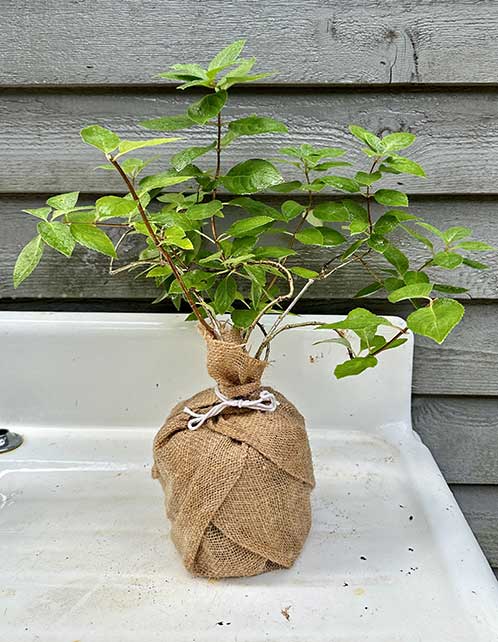
Hydrangea paniculata ‘Grandiflora’
If you’ve been searching for a pee gee hydrangea tree, here’s something most garden centers won’t tell you: there’s no such thing as a separate “tree” species. The lollipop-shaped hydrangea trees you see at nurseries are just pee gee shrubs that someone trained into a single trunk over a few seasons. And if they can do it, so can you — starting with a small, affordable plant.
This post walks you through the whole process, from picking the right plant to enjoying that first full canopy of blooms.
What Is a “Pee Gee Hydrangea Tree,” Exactly?
The Pee Gee hydrangea (Hydrangea paniculata ‘Grandiflora’) is naturally a multi-stemmed shrub that can reach 10 to 15 feet tall and wide. Left to its own devices, it grows in a big rounded mound with dozens of stems coming up from the base.
A “tree form” is simply that same shrub pruned and trained to grow on a single straight trunk, with all the branching happening at the top. The result looks like a small ornamental tree — round canopy, clear trunk, big white flower clusters that catch every eye in late summer.
Nurseries charge a premium for tree form specimens because they’ve already done two or three years of training work. When you start with a young plant and do that work yourself, you get the same result for a fraction of the cost — and honestly, the process is satisfying.
Why Start Small?
A 1 gallon pee gee hydrangea is the ideal starting point for training. Here’s why:
The stem is pliable. Younger stems are easier to stake straight without fighting the plant’s established growth habit.
You pick the leader from the start. On a small plant, it’s easy to identify the single strongest, most upright stem and commit to it before the plant gets crowded.
It’s forgiving. If you make a pruning mistake in year one, the plant recovers quickly. Younger plants bounce back fast.
The price makes sense. You’re investing in a multi-year project. Starting with a smaller, less expensive plant means you’re not out much if something goes wrong in year one — though in practice, pee gee hydrangeas are tough and rarely disappoint.
What You’ll Need
- One healthy 1 gallon pee gee hydrangea
- A sturdy wooden or bamboo stake, 4 to 6 feet tall
- Soft plant ties or strips of cloth (avoid wire)
- Pruning shears, clean and sharp
- Patience — this is a 2 to 3 season project
Year One: Establishing the Leader
Plant your pee gee in a spot with full sun to light afternoon shade. These plants bloom best with at least 6 hours of direct sun. Good drainage matters too — they don’t like wet feet, but they do want consistent moisture while they’re getting established.
Step 1: Choose your leader. Look at your plant and find the single strongest, most upright stem. This becomes your trunk. Everything else gets removed.
Step 2: Cut everything else to the ground. This feels drastic, but it redirects all the plant’s energy into that one stem. Use clean shears and cut the secondary stems as close to the base as possible.
Step 3: Stake the leader. Drive your stake into the ground a few inches from the main stem and tie the stem to the stake loosely in two or three places. You want support, not strangulation. Check the ties monthly and loosen them if needed as the stem thickens.
Step 4: Remove any side shoots that emerge low on the stem. Your goal is a clear trunk. Any branches that sprout from the bottom half of the stake height should be pinched or pruned off as soon as you notice them. Let the energy go up, not out at the base.
By the end of year one, you should have a single straight stem, staked and growing, anywhere from 2 to 4 feet tall depending on how vigorously it took off.
Year Two: Building the Crown
In early spring of year two, before new growth starts, assess your leader. If it has reached your desired trunk height (most people aim for 3 to 5 feet), pinch or prune the very top of the main stem. This signals the plant to branch outward rather than continue growing straight up.
Those new side branches at the top are the beginning of your crown. Let them grow freely through the second season. You’ll likely see your first real flush of blooms at the top of the plant this year — the famous big cone-shaped clusters that start creamy white and age to pink and tan through fall.
Keep removing any shoots that sprout from below your intended crown zone on the trunk. The more consistently you do this, the cleaner the trunk stays.
Year Three and Beyond: Refining the Shape
By year three, you have a recognizable tree form. Now it’s just about maintenance and refinement.
Annual pruning timing: Pee gee hydrangeas bloom on new wood, meaning the current season’s growth produces the flowers. Prune in late winter or very early spring before new growth emerges. Never prune in fall or summer — you’ll cut off the coming season’s blooms.
What to prune: Remove any crossing or crowded branches in the crown. Cut back last year’s stems by about one third. Remove any trunk sprouts as soon as you see them — they’ll always be there, and staying on top of them is just part of the annual routine.
Staking: By year three, most plants have a trunk thick enough to stand on their own. You can remove the stake if the trunk is firm. If it’s still a bit flexible, leave the stake another season.
What to Expect at Maturity
A trained pee gee hydrangea tree is a genuinely stunning plant. Mature specimens develop attractive exfoliating bark on the trunk, adding winter interest after the blooms are gone. The flower clusters can reach 12 to 18 inches long and put on a show from late July through September, then age gracefully and hold on the plant well into winter if you leave them.
These plants are cold hardy to zone 3, so once established, they’re essentially bulletproof in most of the country. Deer browse them occasionally but they’re not a top target. Pests and diseases are rarely a problem.
Expect your trained tree to reach 8 to 12 feet in height over time, with a crown spread of 6 to 10 feet. They grow fast — often 2 feet or more per season once established.
Common Mistakes to Avoid
Keeping more than one leader. The biggest mistake is trying to grow two or three trunks at once “just in case.” Pick one and commit. Two co-dominant trunks will compete and you’ll end up with neither looking good.
Skipping the low branch removal. If you let shoots sprout from the lower trunk and don’t remove them quickly, they’ll compete with the crown and the plant starts reverting toward shrub form.
Pruning at the wrong time. Pee gees bloom on new wood, so late summer or fall pruning removes next year’s flower buds. Always prune in late winter or very early spring.
Tying too tight. Plant ties that are too snug will girdle the stem as it grows. Check monthly and loosen as needed.
Ready to Get Started?
We carry pee gee hydrangeas in 1 gallon size during spring — the ideal size for starting a tree training project. They’re an excellent value, and with a little annual attention, you’ll have a show-stopping tree in just a few seasons.