
Put Down the Pruning Shears: Why Fall Is the Wrong Time to Prune
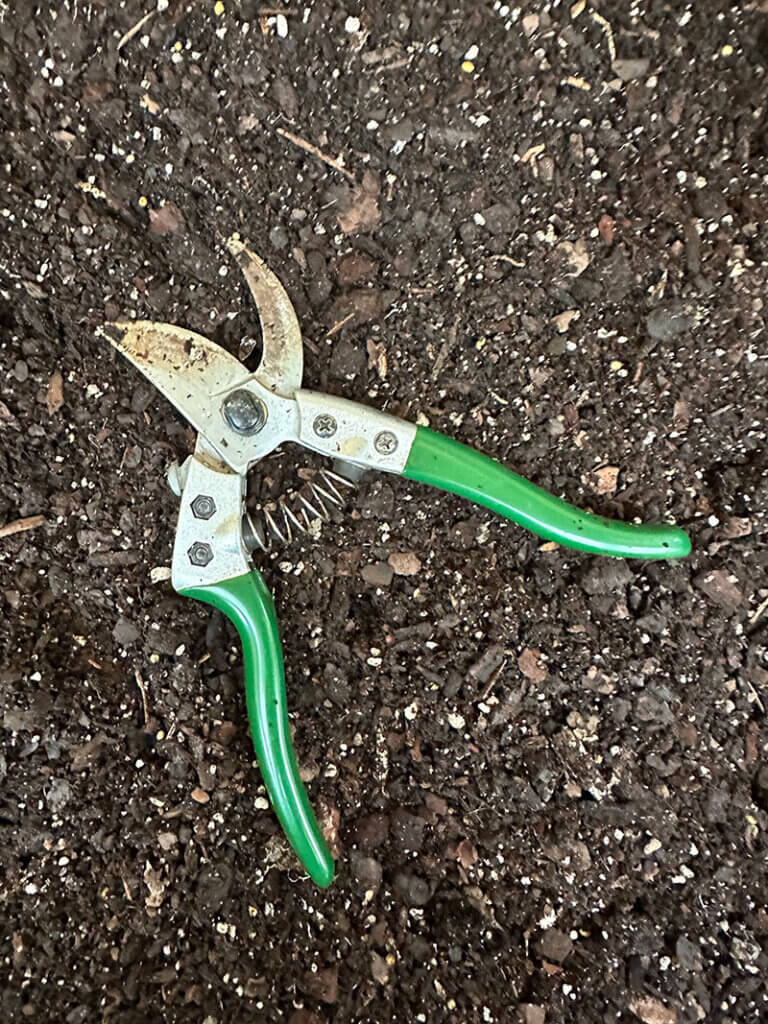
The leaves are turning, the weekend forecast looks perfect, and your overgrown shrubs are practically begging for a trim. Before you grab the shears, hold that thought.
Heavy pruning is one of the most common fall yard care mistakes. Cutting back trees and shrubs right now can cause real harm as your landscape heads into winter. Here is what happens when you prune at the wrong time of year, and what you can safely do instead.
1. Pruning Triggers New Growth at the Worst Possible Time
Pruning sends a signal to a plant: wake up and grow. In spring, that response is exactly what you want. In fall, it works against you.
Any fresh shoots that emerge after a fall pruning won’t have time to harden off before cold weather arrives. That tender new growth is soft, full of moisture, and completely unprepared for freezing temperatures. When the first hard freeze hits, it dies back, and the plant loses energy it should have been storing for winter. The result is a stressed plant that enters dormancy weaker than it should.
2. You Could Be Cutting Off Next Spring’s Flowers
Many spring flowering trees and shrubs set their flower buds for the following year during summer and early fall. Magnolias, dogwoods, and viburnums are all good examples. Those buds are already on the branches right now, waiting out the winter.
Prune these plants in fall and you remove next spring’s bloom before it ever has a chance to open. If you want to shape a spring bloomer, the best time is right after it finishes flowering. That gives it a full season to grow and set new buds.
3. Fall Cuts Heal Slowly and Leave Plants Exposed
Every pruning cut is a wound. During the growing season, plants seal those wounds fairly quickly. As they slow down and move toward dormancy in autumn, healing slows down too.
That leaves cut stems open through the harshest months of the year. Exposed wood is vulnerable to winter windburn, frost damage, and decay organisms that can work their way into the plant over time. A cut made in late winter, by contrast, is followed almost immediately by spring growth that closes the wound fast.
The One Exception: The Four Ds of Pruning
You don’t have to lock your shears away entirely. Fall pruning is always safe when you limit it to removing the four Ds:
- Dead branches that no longer leaf out or show green beneath the bark
- Dying or diseased wood that could spread problems to healthy parts of the plant
- Damaged limbs, such as branches broken or split by storms
- Deranged growth, meaning crossing or rubbing branches that wear open wounds on each other
Removing these actually protects your plants going into winter. Dead and damaged limbs are more likely to break under snow and ice, and diseased wood left in place can carry problems into next season.
A few tips for doing it right:
- Cut back to healthy wood, just outside the branch collar
- Use clean, sharp tools for smooth cuts that heal better
- Disinfect your blades between cuts when removing diseased wood so you don’t spread infection
When to Do the Real Pruning
Everything beyond the four Ds can wait. For most trees and shrubs, late winter or early spring is the ideal window, while plants are still dormant but just before new growth begins. Structure is easy to see without leaves, and cuts heal quickly once the growing season starts.
The main exception is spring bloomers. Prune those shortly after they finish flowering so you don’t sacrifice next year’s show.
So this weekend, stick to cleanup. Remove what’s dead, damaged, diseased, or rubbing, then put the shears away until the end of winter. Your trees and shrubs will come back stronger for it.