
The Winter Awakener: Ecological Benefits of Vernal Witch Hazel (Hamamelis vernalis)
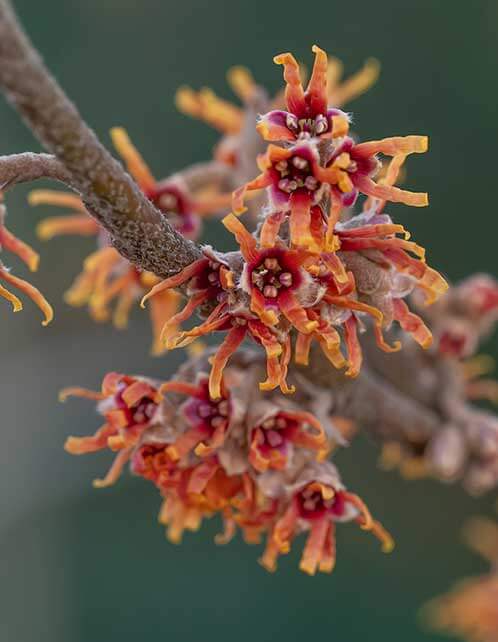
While most of the landscape lies dormant under the chill of late winter, Hamamelis vernalis—commonly known as Vernal Witch Hazel or Ozark Witch Hazel—is busy staging a quiet revolution. Native to the gravelly streambanks and rocky Ozark plateau region of North America, this resilient multi-stemmed shrub produces delicate, ribbon-like yellow to copper-red flowers as early as January or February. Beyond giving home gardeners a breathtaking burst of late-winter color and spicy fragrance, Hamamelis vernalis plays a critical, often overlooked role in supporting local ecosystems when resources are at their lowest point of the year.
The primary ecological triumph of Vernal Witch Hazel lies in its unique blooming schedule. Because it flowers when snow is still on the ground, it serves as an invaluable lifeline for early-emerging pollinators. On unseasonably warm winter afternoons, native bees, hoverflies, and cold-hardy “winter moths” awaken from hibernation in search of food. With almost no other nectar sources available, Hamamelis vernalis provides the crucial sugars and pollen these early insects need to survive until spring officially arrives. The petals even feature a smart evolutionary trick: during freezing snaps, they curl inward to protect their reproductive organs, curling back open as soon as temperatures rise again.
Beyond winter pollination, this native shrub remains a hard-working habitat plant throughout the entire growing season:
-
Larval Host Plant: The leaves feed the caterpillars of several native moth species, including the Spring Cankerworm Moth (Paleacrita vernata) and the Witch Hazel Dagger Moth (Acronicta hamamelis), which in turn feed returning migratory songbirds.
-
Bird Food Source: In autumn, the shrub’s woody seed capsules mature and explosively shoot two shiny black seeds up to 30 feet away! These seeds are a high-value protein source for ruffed grouse, northern bobwhites, and foraging woodland rodents.
-
Dense Nesting Habitat: Growing 6 to 10 feet tall with a wide, suckering growth habit, Vernal Witch Hazel forms dense thickets that offer ideal nesting sites for songbirds and protective cover from winter predators.
-
Erosion Control: Thanks to its native origins along streambanks and gravel bars, its strong root system stabilizes soil in rain gardens, low-lying areas, and sloped yards.
Integrating native plants that bloom across every season ensures your yard functions as a true, year-round wildlife sanctuary. Whether planted as a naturalized screen, a rain garden anchor, or a focal point near a patio where you can enjoy its sweet scent in February, Hamamelis vernalis is a powerful asset to any home landscape.
At Old House Trees, we specialize in growing healthy native stock that connects your garden back to nature. Explore our wide selection of native trees and shrubs today, and start building a resilient, wildlife-friendly yard shipped straight from our farm to your door!