
Creating a Native Hedge
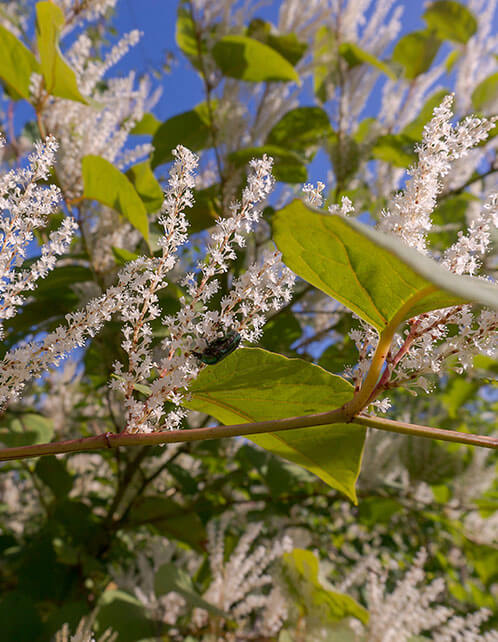
When planting a hedge a native species is generally better than an invasive species for several important reasons. Native species have evolved alongside local ecosystems and wildlife, making them well-suited to the region’s specific environmental conditions. They provide essential food, shelter, and habitat for native wildlife, supporting local biodiversity. Invasive species can outcompete native plants, disrupt natural ecosystems, and harm local flora and fauna. Native hedges can attract and support native pollinators, such as bees and butterflies, contributing to the health of local ecosystems.
Native hedges pose a lower risk of becoming invasive and causing ecological damage. Native species are often better adapted to local pests and diseases, reducing the need for chemical treatments and maintenance. Native hedges are generally adapted to the local climate and require less water once established, contributing to water conservation efforts.
Native hedges can be just as attractive and ornamental as invasive alternatives, providing visual beauty while promoting local ecology. Native species often have deep-rooted systems that stabilize soil and protect against erosion, making them more resilient in extreme weather conditions.
Commonly used species include:
Recent
- Colorado Blue Spruce vs. Norway Spruce
- The Winter Awakener: Ecological Benefits of Vernal Witch Hazel (Hamamelis vernalis)
- Put Down the Pruning Shears: Why Fall Is the Wrong Time to Prune
- ‘Hearts-a-Burstin’: Why Every Shade Garden Needs Euonymus Americanus
- Plant It and They Will Come: The Sweetbay Magnolia