
Crape Myrtle Showdown: Pink vs. Red vs. Purple — Which Is Right for Your Yard?
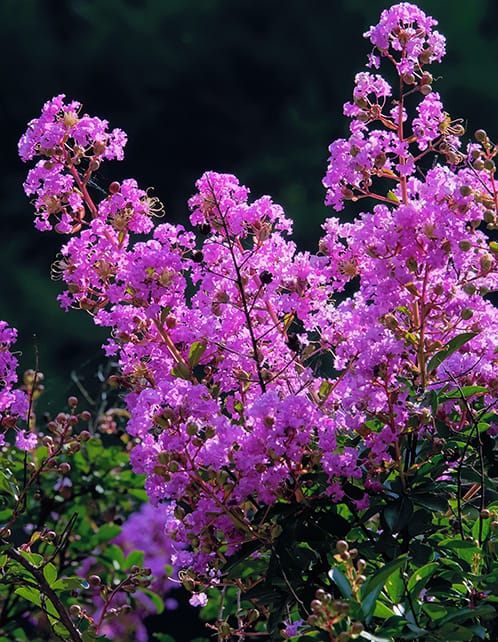
If you’ve driven through the South in summer, you know the sight: long stretches of road lined with brilliant blooms bursting from trees that seem almost too showy to be real. That’s the crape myrtle in its full glory, and for good reason, it’s one of the most beloved trees in American landscaping.
But walk into a nursery (or browse one online), and you’re quickly faced with a choice: pink, red, or purple? They’re all crape myrtles, they all bloom in summer, and they’re all relatively easy to grow. So what’s the difference, and which one belongs in your yard?
Let’s break it down.
A Quick Word on Crape Myrtles in General
Before we dive into colors, here’s what all three varieties share:
- Long bloom season. They typically flower from June through September, making them one of summer’s longest performers.
- Heat and drought tolerance. They thrive in hot, humid Southern climates.
- Low maintenance. Once established, they need very little fussing.
- Multi-season interest. Attractive bark, fall foliage color, and a striking winter silhouette keep them interesting year-round.
- Adaptability. They’re suitable for full sun landscapes, borders, driveways, and even containers.
Now, to the fun part.
🌸 Pink Crape Myrtle
The Classic Choice
Pink crape myrtles are probably what most people picture when they think of the tree. Soft, romantic, and versatile, pink blooms pair easily with just about anything in the landscape.
What to Expect
Pink varieties produce clusters of ruffled blossoms in shades ranging from pale blush to bright bubblegum pink, depending on the cultivar. The flowers appear in large, showy panicles that can last for weeks.
Best For
- Formal and cottage-style gardens. Pink softens structured layouts and adds a romantic feel.
- Pairing with other plants. Pink works beautifully alongside purples, whites, and greens without competing.
- Front yards and entryways. It’s welcoming and approachable without being overwhelming.
- Homeowners who want color without drama.
Growing Tips
Pink crape myrtles perform best in full sun (6 or more hours daily) and well-drained soil. Like all crape myrtles, avoid the temptation to “top” them. This practice, sometimes called crape murder, destroys their natural form and actually reduces blooming.
Perfect Pairing
Plant pink crape myrtles near ornamental grasses, black-eyed Susans, or lavender for a soft, naturalistic look that blooms all summer long.
🔴 Red Crape Myrtle
The Showstopper
If pink is a whisper, red is a statement. Red crape myrtles are bold, vibrant, and eye-catching. They’re the kind of tree that makes neighbors slow down as they drive by.
What to Expect
True red crape myrtles produce rich, deep crimson blooms that pop brilliantly against their dark green foliage. Many red varieties also develop attractive burgundy new growth in spring, adding even more color interest before the first bloom appears.
Best For
- Focal points and specimen plantings. Plant one where you want all eyes to go.
- Driveways and property borders. Red makes a dramatic, welcoming statement from the street.
- Modern and contemporary landscapes. The bold color complements clean architectural lines beautifully.
- Gardeners who aren’t afraid to be noticed.
Growing Tips
Red varieties need full sun to develop their deepest color. Shade can cause them to fade toward pink or bloom less vigorously. Make sure they have good air circulation to prevent powdery mildew, which can sometimes affect crape myrtles in humid climates.
Perfect Pairing
Red crape myrtles look stunning alongside deep green boxwoods, ornamental grasses, or white-flowering shrubs like Rose of Sharon. The contrast is striking and clean.
💜 Purple Crape Myrtle
The Unexpected Favorite
Purple crape myrtles tend to catch people off guard, in the best possible way. They’re less common than pink or red, which makes them feel more distinctive, and their rich violet blooms have a depth that’s hard to match.
What to Expect
Purple crape myrtles bloom in true lavender to deep purple tones. Many varieties also feature especially ornamental bark that is smooth and peeling in shades of tan and gray. That bark adds winter beauty even after the blooms are long gone.
Best For
- Anyone who wants something a little different. Purple is still relatively uncommon in most neighborhoods.
- Cottage, pollinator, and wildlife gardens. Bees and butterflies are especially drawn to purple blooms.
- Pairing with chartreuse or yellow foliage plants. The color contrast is spectacular.
- Smaller spaces. Many purple varieties are naturally more compact than their pink or red cousins.
Growing Tips
Purple crape myrtles share the same care needs as the other varieties: full sun, well-drained soil, and no topping. If you’re planting specifically for pollinators, purple is your best bet. The color and bloom structure seem to be especially attractive to native bees.
Perfect Pairing
Try purple crape myrtles next to golden spirea, yellow black-eyed Susans, or silvery ornamental grasses. The complementary colors create a garden that practically glows in late summer.
Side-by-Side Comparison
| Feature | Pink | Red | Purple |
| Vibe | Classic, romantic | Bold, dramatic | Unique, cottage charm |
| Best use | General landscaping | Focal point | Pollinator garden, accent |
| Pairs well with | Lavender, white, green | Dark green, white | Yellow, chartreuse, silver |
| Stands out? | Subtle | Very much so | Distinctively |
| Wildlife appeal | Good | Good | Excellent for pollinators |
So, Which One Should You Choose?
Here’s a simple way to think about it:
- Choose pink if you want a reliable, versatile tree that fits almost any landscape style and color palette. It’s the option you really can’t go wrong with.
- Choose red if you want a bold specimen tree that commands attention. It’s the one people will ask you about.
- Choose purple if you want something a little unexpected that also supports pollinators and provides year-round interest with its gorgeous bark.
And honestly, if you have the space, there’s no rule that says you can only pick one.
Ready to Plant?
At Old House Trees, we carry pink, red, and purple crape myrtles in multiple sizes, all grown with care and ready to thrive in your landscape. Whether you’re planting one as a statement piece or lining a whole driveway, we’d love to help you find the right fit.