
Why Every Garden Needs a Pussy Willow (Your Local Bees Will Thank You!)
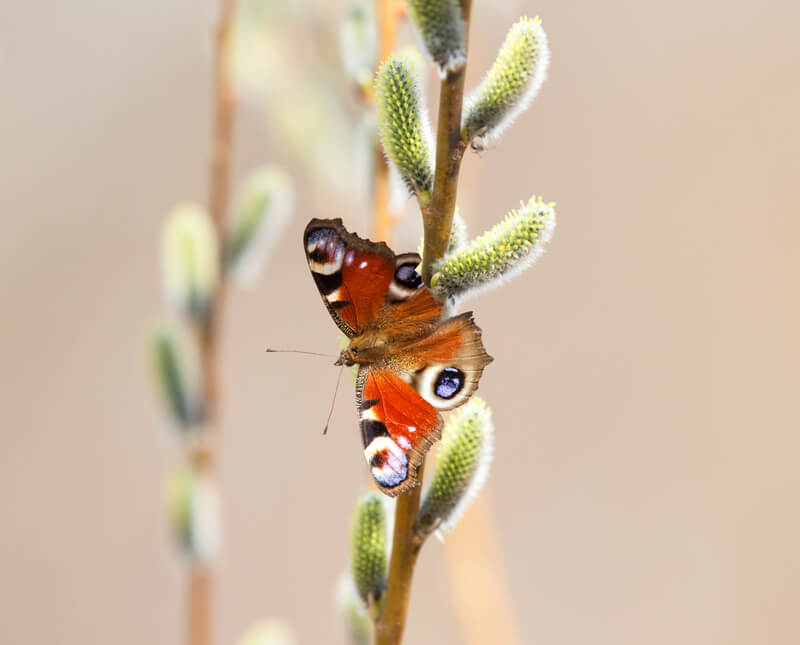
At Old House Trees, we’re obsessed with plants that look cool but work hard. If you’re looking to turn your backyard into a tiny wildlife sanctuary this year, here’s why the humble Pussy Willow (Salix discolor) is your new best friend.
1. It’s the Breakfast Buffet for Bees
Imagine waking up from a five-month nap and finding your fridge is empty. That’s what it’s like for bees emerging in late winter. Because pussy willows bloom so early—those iconic fuzzy catkins are actually flowers!—They provide some of the very first nectar and pollen of the season.
If you want to help the honeybees and native bumblebees survive those chilly March mornings, planting a pussy willow is like opening the neighborhood’s first 24-hour diner.
2. A Home for Butterflies (and Moths!)
Most people think of milkweed for Monarchs, but pussy willows are actually “host plants” for a huge variety of stunning butterflies. We’re talking Mourning Cloaks, Viceroys, and the massive Cecropia Moth. When you plant one of these, you’re basically building a nursery for the next generation of pollinators.
3. Nature’s Water Filter
Got a soggy spot in your yard where the grass refuses to grow? Don’t fight the mud—plant a willow! These shrubs love wet feet. Their roots are like sponges, soaking up excess water and filtering out pollutants before they hit the groundwater. They’re the MVP of “rain gardens” and help keep our local waterways clean.
4. Free Bird Bedding
Ever wonder what birds use to make those cozy nests? Songbirds like goldfinches and chickadees love to pluck the soft, silky fluff from the catkins to line their nests. It’s like high-end, organic insulation for their babies.
How to Style It
The best part? Pussy Willows are low-maintenance. You can let them grow into a big, wild screen for privacy, or cut them back hard every year to keep them small and produce those long, elegant stems for your vases. Either way, you can’t lose with this native beauty.