
How to start a rain garden?
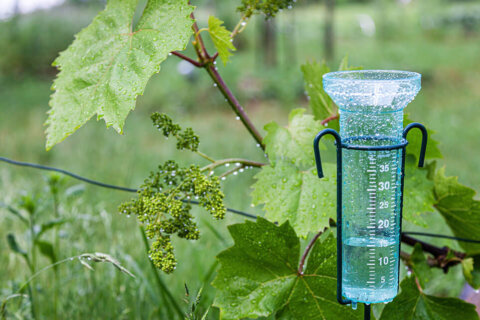
A rain garden is a landscaped area that is specifically designed to capture and filter stormwater runoff from impervious surfaces, such as rooftops and driveways. Rain gardens can help to reduce erosion, improve water quality, and reduce the strain on local drainage systems. Here are some steps you can follow to start a rain garden:
- Choose a location: The best location for a rain garden is an area that is close to the source of the runoff and that has well-draining soil. Avoid low-lying areas that may be prone to standing water or flooding.
- Determine the size: The size of your rain garden should be based on the amount of runoff that it will be collecting. A good rule of thumb is to aim for a garden that is one-third the size of the impervious surface that it is draining.
- Design the garden: Consider the layout and shape of your rain garden and the plants you will be using. Rain gardens should have a gently sloping shape, with the highest point at the inlet and the lowest point at the outlet. Choose plants that are native to your region and that can tolerate damp or wet conditions.
- Prepare the soil: Before planting, loosen the soil in the garden area to a depth of at least 12 inches (30 cm) and add compost or other organic matter to improve the soil structure and fertility.
- Plant the garden: Follow the specific planting instructions for the plants that you are using. Be sure to water the plants thoroughly after planting to help them establish.
- Maintain the garden: Rain gardens require minimal maintenance, but they will benefit from occasional weeding and mulching. Be sure to keep the garden free of debris and remove any invasive plants that may appear.
What shrubs grow best in rain gardens?
- Native shrubs: Native shrubs are adapted to the local climate and soil conditions, which makes them more likely to thrive in a rain garden. Some good native shrub options for rain gardens include:
- Dogwood (Cornus spp.), which have showy flowers and colorful autumn foliage
- Red-twig dogwood (Cornus sericea), which have red stems and white flowers
- Willow (Salix spp.), which have slender, graceful branches and catkins (flowers)
- Ornamental shrubs: Rain gardens can also be planted with ornamental shrubs, which can add beauty and interest to the garden. Hydrangea (Hydrangea spp.), which have large, showy flowers in shades of pink, blue, or white is a great option.
It’s a good idea to research the specific needs of the shrubs you’re considering and to choose ones that are well-suited to your local climate and soil conditions. It’s also important to avoid invasive shrub species, which can spread aggressively and displace native plants.