
Pruning Hydrangeas: A Comprehensive Guide to Enhance Blooms and Maintain Health
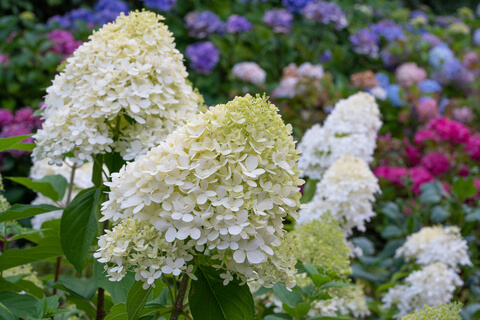
Hydrangeas are cherished for their stunning blooms that grace gardens with vibrant colors and undeniable charm. These flowering shrubs are a popular choice among garden enthusiasts, but to ensure their optimal growth and blossoming, proper pruning is essential. Pruning hydrangeas is an art that requires a delicate balance between encouraging new growth and preserving the plant’s natural form.
Understanding Hydrangea Varieties
Before delving into pruning techniques, it’s crucial to understand the different types of hydrangeas, as they each have distinct growth habits and bloom on different wood. The most common varieties include:
- Mophead Hydrangeas (Hydrangea macrophylla): Known for their large, globe-like clusters of flowers, mophead hydrangeas bloom on “old wood,” which means the buds for the next year’s flowers develop on the previous season’s growth. Improper pruning can lead to a reduction in flowering.
- Lacecap Hydrangeas (Hydrangea macrophylla): Similar to mophead hydrangeas, lacecaps also flower on old wood. They feature flat, delicate flower clusters with a central cluster of tiny fertile flowers surrounded by larger, showy sterile flowers.
- Panicle Hydrangeas (Hydrangea paniculata): These hydrangeas bloom on “new wood,” meaning the buds develop on the current season’s growth. They often have cone-shaped flower clusters that start white and may turn pink or even deep red as they age.
- Smooth Hydrangeas (Hydrangea arborescens): These hydrangeas also bloom on new wood and are known for their round, snowball-like clusters of flowers. They’re hardy and can benefit from more aggressive pruning.
- Oakleaf Hydrangeas (Hydrangea quercifolia): Recognizable by their oak-like leaves, these hydrangeas bloom on old wood and produce cone-shaped flower clusters. Their fall foliage adds an extra layer of beauty to the garden.
When to Prune
Pruning timing largely depends on the type of hydrangea and whether they bloom on old or new wood. As a general rule:
– Mophead and Lacecap Hydrangeas: Prune these varieties immediately after they finish flowering, typically in late summer. This gives them time to develop new growth and flower buds for the next season.
– Panicle Hydrangeas: Since they bloom on new wood, they can be pruned in late winter or early spring before new growth emerges.
– Smooth Hydrangeas: Prune these in late winter or early spring, cutting the stems to about 12-18 inches from the ground.
– Oakleaf Hydrangeas: Similar to mophead hydrangeas, prune after flowering in late summer.
Pruning Techniques
- Remove Dead and Diseased Wood: Start by cutting away any dead or diseased stems, as they can harbor pests and diseases that affect the overall health of the plant.
- Thinning: Thinning out the oldest stems promotes better air circulation and light penetration through the plant. This encourages new growth and prevents a crowded, dense appearance.
- Deadheading: For mophead and lacecap hydrangeas, removing spent flower heads immediately after blooming can encourage the development of new growth and potentially a second round of smaller blooms.
- Selective Pruning: To maintain the natural shape of the plant, selectively prune taller stems to promote a balanced and well-proportioned shrub.
- Renewal Pruning: In cases where your hydrangea has become overgrown or hasn’t been pruned properly for a few years, renewal pruning can be performed. This involves cutting back one-third of the oldest stems each year for three years, gradually rejuvenating the plant.
- Pinching: Pinching involves removing the tips of new growth to encourage branching and more compact growth. This is particularly useful for young hydrangeas to shape them into fuller plants.
Pruning hydrangeas is an essential skill for any gardener looking to cultivate healthy, vibrant plants with abundant blooms. By understanding the specific type of hydrangea you have and its blooming habits, you can tailor your pruning routine to maximize flowering potential. Whether you’re nurturing mophead, panicle, smooth, lacecap, or oakleaf hydrangeas, timing and techniques are critical. Regular maintenance, including deadheading, thinning, and renewal pruning, will not only enhance the aesthetic appeal of your garden but also promote the overall well-being of your cherished hydrangea shrubs. So, roll up your sleeves, grab your pruners, and embark on a journey to create a stunning hydrangea display that will be the envy of the neighborhood.