
Winter Wellness for Your Potted Plants
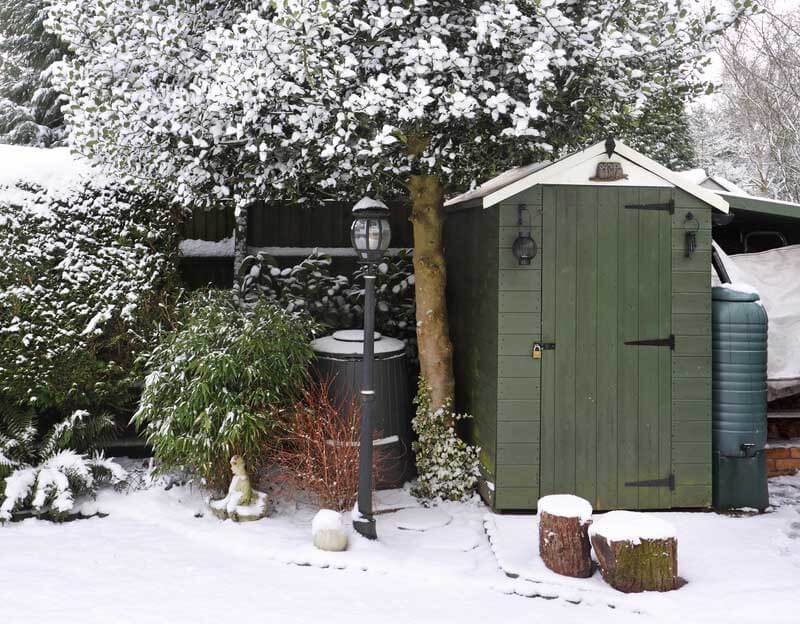
As the days get shorter and the first frost looms, it’s time to think about your potted outdoor trees and shrubs. Unlike plants directly in the ground, those in containers are far more vulnerable to winter’s harsh conditions. Their roots are exposed to dramatically colder temperatures, which can lead to damage or even death.
Don’t worry! With a few simple steps, you can ensure your beautiful container garden survives the winter and thrives come spring.
1. The Critical Danger: Root Freeze 🥶
The number one risk for potted plants is root-zone freezing. Soil in a pot freezes much faster and deeper than garden soil. A plant that is “hardy” in the ground (say, to -10*F) might only be hardy to 20*F when kept in a pot.
The Solution: Increase the insulation around the pot.
- Group Them Up: Cluster all your containers together in a sheltered location, such as against the south side of your house, near a fence, or in an unheated garage/shed. This creates a microclimate and provides collective insulation.
- Insulate the Sides: Wrap the pots (not the plants) in burlap, bubble wrap, or straw. You can even place the pots inside a larger wooden box and fill the gaps with mulch or shredded leaves for maximum protection.
- Lift Them Up: Place your pots on bricks or “pot feet” to prevent them from freezing directly to the ground or sitting in standing water.
2. Watering: Yes, They Still Need It!💧
It’s a common misconception that you should stop watering entirely in winter. While growth slows dramatically, plants still need moisture, especially on sunny, windy days.
- Check Regularly: Check the soil every few weeks. If the top couple of inches are dry, it’s time to water.
- Timing is Key: Water only on days when the temperature is above 40* F and there is no snow or ice cover. This ensures the water soaks in before it can re-freeze and damage the roots.
- Avoid Wet Feet: Ensure the drainage holes are clear. Soggy soil is a recipe for root rot, which is just as fatal as freezing.
3. The Great Move: When to Bring Them Inside 🏡
While some tough species (like certain junipers or boxwood) can handle a cold winter outdoors with insulation, many desirable plants (especially certain small fruit trees, sensitive evergreens, or decorative shrubs) benefit from a period of “dormancy storage.”
- Unheated is Best: The ideal location is an unheated garage, shed, or basement. The temperature should remain consistently below 45*F but above 20*F (ideally just above freezing).
- Monitor Light: While dormant, the plants don’t need much light, but a window or occasional ambient light is fine. If you use a pitch-dark location, you’ll need to check on them more frequently.
- Taper Off: Bring them in after they’ve had a few hard frosts. This signals to the plant that it’s time to enter dormancy.
4. Skip the Fertilizer and Pruning ✂️
- No Food: Stop fertilizing completely by late summer or early fall. Fertilizing encourages tender new growth, which is the first to be damaged by frost.
- Delay Pruning: Resist the urge to prune until late winter or early spring (after the worst cold has passed). Pruning can also stimulate new growth at a time when the plant should be shutting down.
A little planning now will pay off with vibrant, healthy growth next spring! Happy winterizing!