
Native Plants That Bring Winter Color to Your Garden
Winter doesn’t have to mean a drab, colorless landscape. By incorporating native plants into your garden, you can enjoy a vibrant display of color even during the coldest months. These plants not only add beauty but also provide valuable food and shelter for wildlife when resources are scarce. Let’s explore a selection of native plants that are particularly good for providing winter color.
Winterberry is a deciduous holly shrub that loses its leaves in the fall, revealing a profusion of bright red berries. These berries persist throughout the winter, attracting birds and adding a festive touch to the landscape. Winterberry prefers moist, acidic soils and can tolerate full sun to partial shade.
Red osier dogwood is a multi-stemmed shrub known for its vibrant red stems that become even more striking in winter. It also produces white flowers in spring and clusters of white berries in summer. Red osier dogwood thrives in moist soils and can tolerate full sun to partial shade.
- American Beautyberry (Callicarpa americana)
American beautyberry is a deciduous shrub that produces clusters of vibrant purple berries in late summer and fall. These berries persist into winter, providing a colorful display and attracting birds. American beautyberry prefers well-drained soils and can tolerate full sun to partial shade.
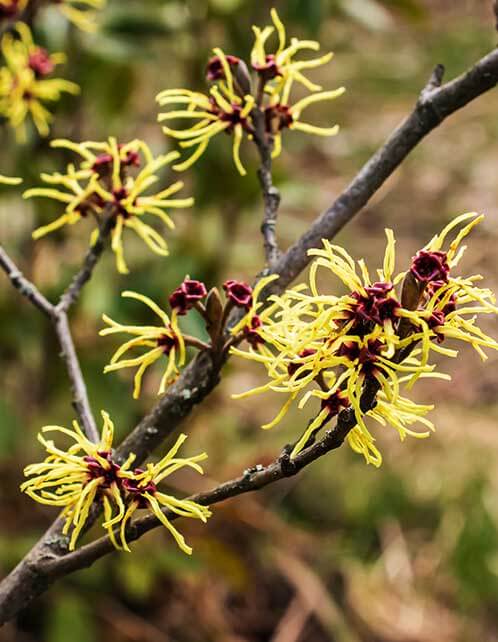
Witch hazel is a deciduous shrub or small tree that blooms in late fall or early winter, producing fragrant yellow flowers. These flowers add a cheerful note to the winter landscape and attract pollinators. Witch hazel prefers moist, well-drained soils and can tolerate full sun to partial shade.
Evergreen hollies are a classic choice for winter color, providing year-round greenery and vibrant red berries. These berries persist into winter, adding a festive touch and attracting birds. Evergreen hollies prefer well-drained soils and can tolerate full sun to partial shade.
Benefits of Native Plants
In addition to providing winter color, native plants offer a number of benefits for the environment and wildlife. They are adapted to the local climate and soil conditions, requiring less water and maintenance than non-native plants. Native plants also provide food and shelter for a variety of wildlife, including birds, butterflies, and pollinators. By incorporating native plants into your garden, you can create a beautiful and sustainable landscape that supports the local ecosystem.
Tips for Incorporating Native Plants
- Choose plants that are native to your region and suited to your specific site conditions.
- Consider the mature size of the plants and space them accordingly.
- Group plants with similar water and light requirements together.
- Use a variety of plants to create a diverse and interesting landscape.
- Provide supplemental water during dry periods, especially for newly planted plants.
- Avoid the use of pesticides and herbicides, which can harm beneficial insects and pollinators.
- By following these tips, you can create a beautiful and sustainable garden that provides winter color and supports the local ecosystem.
Native plants are a valuable addition to any landscape, offering beauty, ecological benefits, and a connection to the natural world. Remember, even in the depths of winter, your garden can be a vibrant and welcoming haven for both you and wildlife.