
Fall and winter can be a great time to plant trees
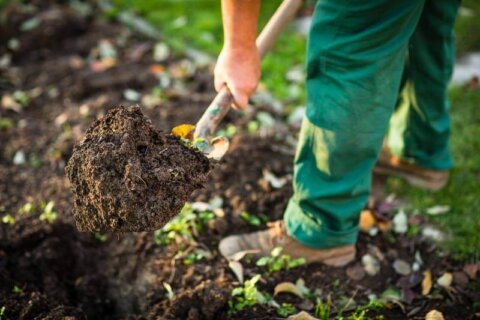
First, the soil is often more moist in the fall and winter, which can be beneficial for tree roots. During these seasons, trees are also entering a period of dormancy, which can make it easier for them to acclimate to their new environment and establish their root systems.
In addition, fall and winter tend to have cooler temperatures and less extreme weather, which can be less stressful for newly-planted trees. This can also give them time to become established before the heat and drought of summer arrive.
It’s important to keep in mind that different trees have different planting requirements, and some may be better suited to planting in the fall or winter than others. It’s a good idea to research the specific needs of the trees you’re planning to plant.
Here are some general guidelines for planting Maple trees in the winter:
- Choose a suitable location: Maple trees need full sun to partial shade and well-draining soil. Avoid planting them in low-lying areas where they could be prone to frost damage.
- Prepare the soil: Before planting, loosen the soil in the planting area to a depth of at least 12 inches (30 cm). Add compost or other organic matter to improve the soil structure and fertility.
- Plant the tree: Dig a hole that is twice as wide and just as deep as the root ball of the tree. Carefully remove the tree from its container or burlap wrapping, and gently loosen the roots. Place the tree in the hole, making sure that the root collar (where the trunk meets the roots) is level with the soil surface. Fill in the hole with soil, gently tamping it down to remove any air pockets.
- Mulch the tree: Add a 2-3 inch (5-7.5 cm) layer of mulch around the base of the tree to help retain moisture and regulate soil temperature. Keep the mulch a few inches away from the trunk to avoid rot.
- Water the tree: Water the tree thoroughly after planting to help settle the soil and promote root growth. Water regularly throughout the winter, being careful not to overwater or let the soil dry out completely.