
Emerald Green vs. Green Giant Arborvitae: Which Privacy Screen Is Right for You?
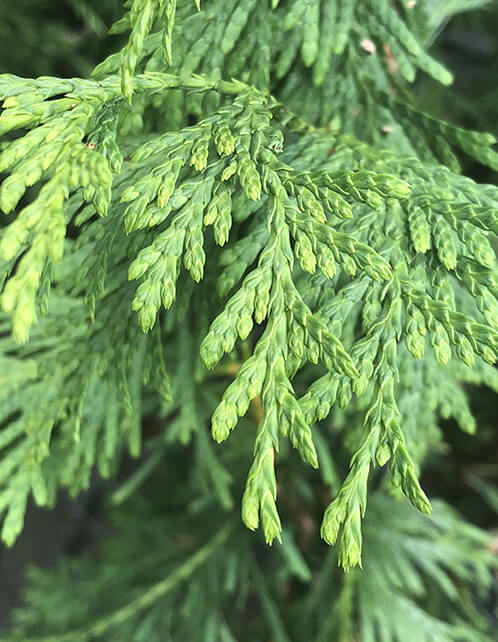
If you’re looking to add year-round privacy to your yard, arborvitae are hard to beat. They’re evergreen, low-maintenance, and they do exactly what you need them to do — block the view, buffer the wind, and look great doing it. But walk into any nursery and you’ll quickly run into the most common question in the evergreen world: Emerald Green or Green Giant?
Both are excellent choices. Both come from the same family. But they serve very different purposes, and picking the wrong one can mean years of frustration — or worse, a hedge that outgrows your yard entirely. Here’s everything you need to know to choose the right one for your space.
Meet the Two Contenders
Emerald Green Arborvitae (Thuja occidentalis ‘Emerald Green’)
Emerald Green is the compact, refined choice. It tops out at 10–15 feet tall with a tidy 3–4 foot width, growing at a moderate pace of up to 12 inches per year. Its dense, pyramidal shape is naturally neat and rarely needs pruning. Hardy in Zones 3–7, it handles cold winters exceptionally well and adapts to a wide range of soil types.
This is the arborvitae for suburban yards, foundation plantings, and anywhere you need structure without overwhelming the space.
Green Giant Arborvitae (Thuja standishii x plicata ‘Green Giant’)
Green Giant lives up to its name. This is a fast-growing powerhouse that can exceed 2 feet of growth per year and ultimately reach 50–60 feet tall with a 12–20 foot spread. Hardy in Zones 5–7, it’s slightly less cold-tolerant than Emerald Green but makes up for it with speed, size, and an impressive resistance to pests and diseases.
This is the arborvitae for large properties, tall fences you want to screen out, or anywhere you need serious coverage fast.
Side-by-Side Comparison
| Emerald Green | Green Giant | |
| Mature Height | 10–15 ft | 50–60 ft |
| Mature Width | 3–4 ft | 12–20 ft |
| Growth Rate | Up to 12″/year | 2+ ft/year |
| Hardiness Zone | 3–7 | 5–7 |
| Spacing for Hedge | 3–4 ft apart | 5–6 ft apart |
| Best Use | Small yards, tight spaces, formal hedges | Large properties, tall screens, windbreaks |
| pH Preference | 6–8 | 6.5–8 |
Which One Is Right for You?
Choose Emerald Green if…
Your yard is on the smaller side. A tree that tops out at 60 feet has no place along a standard residential fence line. Emerald Green’s compact mature size keeps things proportional without sacrificing that dense, full privacy screen.
You want a tidy, formal look. The naturally symmetrical, narrow pyramid of Emerald Green rarely needs shaping. It’s the go-to for clean hedgerows along driveways, property lines, and garden borders.
You live in a colder climate. Zone 3 hardiness means Emerald Green can handle some serious winters that would stress out a Green Giant. If you’re in the northern half of the country, this is your safer bet.
You’re working with tight spacing. At just 3–4 feet wide at maturity, you can plant Emerald Greens in spots where a Green Giant would eventually crowd everything out.
👉 Shop Emerald Green Arborvitae
Choose Green Giant if…
You have a large property to screen. Green Giant was practically made for acreages, farms, and rural properties. Its eventual 50–60 foot height creates a true living wall that blocks noise, wind, and eyesores for decades.
You want fast results. At more than 2 feet of growth per year, Green Giant is one of the fastest-growing privacy trees available. If you planted Emerald Greens and Green Giants side by side today, the Green Giants would dwarf the Emerald Greens within just a few seasons.
You need a windbreak. The sheer size and density of a mature Green Giant hedge is unmatched for protecting gardens, outbuildings, or exposed areas from prevailing winds.
You’re screening something tall. Got a neighbor’s second-story deck overlooking your yard? A two-story structure you’d rather not see? Green Giant will eventually get there. Emerald Green won’t.
Planting Tips for Either Variety
Regardless of which arborvitae you choose, a few basics apply to both:
Sun: Both varieties thrive in full sun to part shade. They’ll put on the most growth and stay the densest in a full-sun location.
Soil: Both prefer moist, well-drained soil and tolerate a wide pH range. Avoid areas with standing water or heavy clay that doesn’t drain.
Spacing: This one matters a lot. For Emerald Green, plant 3–4 feet apart for a solid hedge. For Green Giant, give each tree 5–6 feet — they’ll fill in faster than you expect.
Watering: Keep new transplants consistently watered for the first season as they establish. Once settled in, both varieties are quite drought-tolerant.
When to plant: Fall and early spring are ideal. Cooler temperatures let roots establish before the heat of summer kicks in.
Still Not Sure?
Here’s the quick shortcut: if you’re asking “will this get too big?” — go with Emerald Green. If you’re asking “how fast can I get privacy?” — go with Green Giant.
Both are exceptional, long-lived trees that will reward you for decades. At Old House Trees, we ship both varieties burlapped and in their soil, backed by our Arrive Alive Guarantee — if your plant doesn’t survive the trip, we’ll send a replacement or issue a full refund.