
Winterberry Holly – A Bird Lover’s Best Friend
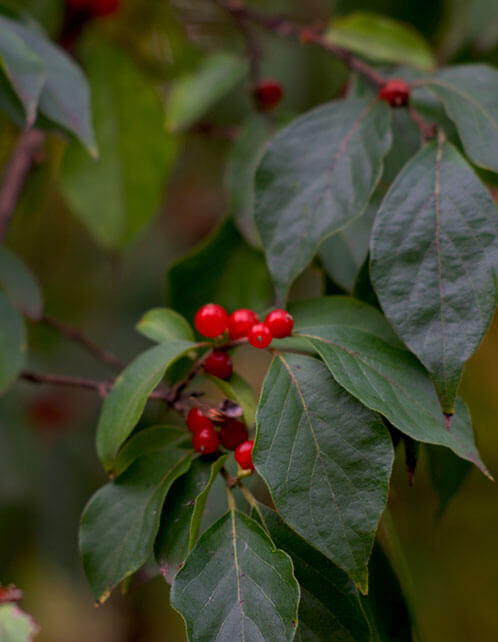
As the weather turns colder and the leaves fall, your garden might seem like a quiet, lifeless place. But with a little planning, you can create a haven for wildlife, even in the depths of winter. One of the best ways to do this is by planting winterberry holly. This vibrant native shrub not only adds a splash of color to your winter landscape but also provides a vital food source for birds when they need it most.
Winterberry holly (Ilex verticillata) is a deciduous holly native to North America. Unlike its evergreen cousins, winterberry loses its leaves in the fall, revealing a stunning display of bright red berries that cling to the branches throughout the winter. These berries are a feast for the eyes, but more importantly, they’re a lifeline for birds.
Why Birds Love Winterberry
Birds are naturally drawn to winterberry for several reasons:
- Food Scarcity: In winter, natural food sources become scarce. Insects are dormant, and many fruits and seeds have already been consumed. Winterberry’s persistent berries offer a crucial source of energy and nutrients when birds need it most to survive the cold.
- High Fat Content: Winterberry berries are rich in fat, which is essential for birds to maintain their body temperature and energy reserves during the harsh winter months.
- Visibility: The bright red berries stand out against the muted winter landscape, making them easy for birds to spot.
- Accessibility: The berries are held on the branches throughout the winter, providing a reliable food source even when snow covers the ground.
Attracting a Feathered Fiesta to Your Garden
Want to turn your garden into a bird paradise with winterberry? Here’s how:
- Choose the Right Variety: There are many cultivars of winterberry holly available, ranging in size and berry color. Some popular choices include ‘Winter Red’ with its abundant crimson berries, ‘Aurantiaca’ with golden-orange fruits, and ‘Berry Poppins’ with its compact size and heavy fruit set.
- Plant a Male and Female: Winterberry holly is dioecious, meaning there are separate male and female plants. Only the female plants produce berries, but they need a male plant nearby for pollination. One male can pollinate several females.
- Provide the Right Conditions: Winterberry thrives in moist, acidic soil and full sun to partial shade. It’s adaptable to various soil types and can even tolerate wet conditions.
- Prune for Optimal Berry Production: Prune winterberry in late winter or early spring before new growth emerges. This encourages bushier growth and more fruit production.
Other Benefits of Winterberry
Winterberry holly offers more than just bird food. It’s a versatile and low-maintenance shrub that adds beauty and interest to your garden year-round:
- Fall Foliage: Before the berries take center stage, winterberry’s leaves turn a lovely yellow-gold in the fall.
- Winter Interest: The bright red berries provide a much-needed pop of color in the winter garden, adding visual interest to an otherwise dormant landscape.
- Cut Branches: Winterberry stems laden with berries make stunning additions to holiday decorations and floral arrangements.
- Wildlife Habitat: Besides birds, winterberry provides shelter and nesting sites for small mammals and insects.
By planting winterberry holly, you’re not just adding a beautiful shrub to your garden; you’re creating a vital habitat and food source for birds during the challenging winter months. It’s a simple act that can make a big difference in the lives of these feathered creatures. So, this winter, consider adding some winterberry to your garden and enjoy the delightful company of birds who will thank you for your generosity.