
The Ultimate Guide to Fall Transplanting: Giving Your Trees and Shrubs a Head Start
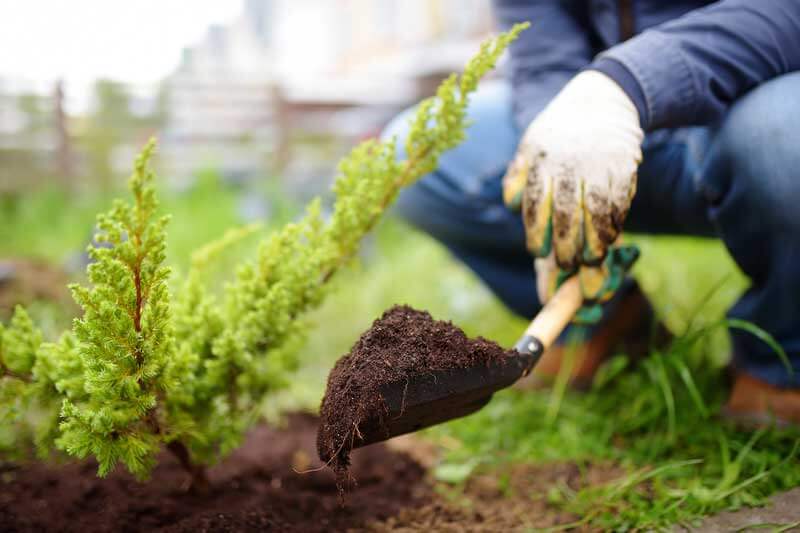
Fall is the season of vibrant color, crisp air, and pumpkin spice, but for gardeners, it’s also the perfect time for a big move! If you have established trees or shrubs that need a new home, or if you’ve just received a beautiful new specimen from our nursery, autumn is your best window of opportunity for planting and transplanting.
Why the fall advantage? The cooling air signals the plant to slow down top growth, but the soil remains warm. This allows the roots to focus all their energy on establishing themselves in the new location without the stress of summer heat.
Here is our step-by-step guide to successfully transplanting outdoor trees and shrubs this season.
1. Timing is Everything: The Autumn Window
The sweet spot for transplanting is generally six weeks before the ground freezes. In most regions, this means late September through late October or early November.
Do: Transplant after leaves have started to turn color or drop, but while the soil is still workable (not frozen).
Don’t: Try to transplant during a late summer heatwave or after a hard, prolonged freeze has set in.
2. Preparation: The Critical Root Pruning (For Established Plants Only)
If you are moving a large, established shrub or tree (one that has been in the ground for more than a year), root pruning 6 to 12 months before the move dramatically increases its survival rate.
- Locate the Ball: Estimate the size of the final root ball you intend to dig up (a good rule of thumb is 10-12 inches of diameter for every inch of trunk diameter).
- Prune the Roots: Use a sharp spade to slice a clean line around 2/3 of the intended root ball perimeter. This severs the older, thicker roots and encourages the plant to quickly grow dense, fibrous feeder roots inside the future root ball.
- Wait: Give the plant a full growing season (or at least 6 months) to establish those new feeder roots before moving it.
If you skip this step, the success of moving a large plant is significantly reduced.
3. Preparing the New Location
Before you lift the plant, the new hole must be ready.
- Dig Wide, Not Deep: The hole should be 2 to 3 times wider than the root ball, but only as deep as the root ball itself. The base of the trunk (the root flare) should sit slightly above the surrounding soil level, not below it.
- Keep the Soil: Place the excavated soil on a tarp or in a wheelbarrow nearby. This soil will be used for backfilling.
- Check Drainage: Pour a bucket of water into the new hole. If it drains away quickly, you’re good. If it pools for hours, you may need to amend the soil to improve drainage, or select a different location.
4. Executing the Move
This is the most labor-intensive step. Have your supplies ready: a sharp spade, durable burlap or canvas, and a strong friend!
- Digging the Trench: Begin digging a trench around the perimeter of the pre-planned root ball.
- Slicing Underneath: Once the trench is deep enough, use your sharp spade to carefully slice underneath the root ball, working in a circle, until the root ball is completely detached.
- Wrapping the Root Ball: Gently tip the plant and slide the burlap or canvas underneath the root ball. Pull the wrapping material up around the sides and tightly secure it with twine or rope. Do not lift the plant by the trunk or stem! Always lift the plant using the wrapped root ball.
- Transport: Carry or roll the wrapped root ball to the prepared hole.
5. Replanting and Backfilling
- Position: Center the root ball in the new hole. Once it’s positioned correctly, remove the ropes or wires. If the plant was field-grown (with burlap), you can leave the burlap under the root ball but pull it back or cut it away from the sides so the roots can grow easily.
- Backfill: Use the original soil you dug out to fill the hole, breaking up large clumps as you go. Tamp the soil gently with your hands to remove large air pockets, but do not compact the soil heavily with your foot, as this prevents water and oxygen from reaching the roots.
- The Watering Test: When the hole is half-full, water thoroughly. This helps settle the soil around the roots naturally. Finish backfilling after the water has soaked in.
6. Post-Planting Care: Water and Mulch
The work isn’t done yet! Proper aftercare is what guarantees success.
- Watering: Immediately after planting, give the plant a deep watering. Continue to water every few days, monitoring the soil moisture. The goal is consistent moisture, not soggy soil. Since the plant is dormant above ground, it still needs water to encourage root growth below.
- Mulching: Create a “donut” of organic mulch (wood chips or shredded bark) around the base of the plant, about 2-4 inches deep.
- Crucial: Keep the mulch 2-3 inches away from the trunk itself. Mulching right against the trunk creates moisture traps that invite pests and disease (the dreaded “mulch volcano”).
By giving your woody plants a proper fall transplant, you allow them weeks or even months of critical root growth before winter sets in. This means they will be fully prepared to burst forth with healthy new growth next spring!
Ready to add new, stunning pieces to your landscape? Browse our newest arrivals of hardy, fall-friendly shrubs and trees today!