
Spring Cleaning
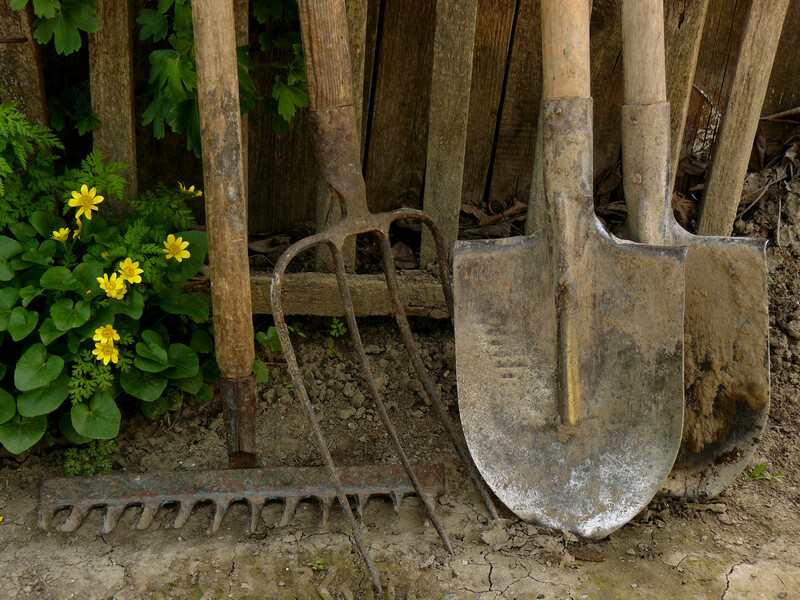
Preparing your yard for spring gardening is essential to ensure a successful and beautiful garden. Here are some steps to help you get started:
- Clean Up: Begin by cleaning up your yard. Remove any debris, dead leaves, and branches that have accumulated over the winter. Rake the lawn to remove thatch and create a clean canvas for planting.
- Pruning: Trim back any overgrown shrubs or trees. Prune dead or damaged branches to encourage healthy growth. Be sure to follow proper pruning techniques for each type of plant.
- Soil Testing: Test your soil to determine its pH and nutrient levels. This will help you know if you need to amend the soil with organic matter or adjust the pH for specific plants.
- Amend the Soil: Based on your soil test results, add compost or organic matter to improve soil fertility and structure. Mix it into the top few inches of soil using a tiller or a garden fork.
- Weeding: Remove any weeds that have sprouted. This is easier to do before they become established and start competing with your desired plants.
- Mulch: Apply a layer of mulch to your flower beds and around trees and shrubs. Mulch helps retain moisture, suppress weeds, and regulate soil temperature.
- Plan and Design: Create a garden plan or design. Decide what plants you want to grow, their placement, and any changes you want to make to the landscape. Consider factors like sunlight, shade, and water requirements.
- Planting: Spring is a great time to plant a wide variety of flowers, vegetables, and shrubs. Follow planting guidelines for each type of plant, considering factors like spacing and depth.
- Fertilize: If your soil test indicates a deficiency, apply a balanced fertilizer or specific nutrients needed for your plants. Follow recommended application rates and timing.
- Watering: Ensure your garden is adequately watered. Monitor soil moisture and water as needed. Early morning is typically the best time to water to prevent diseases and evaporation.
- Maintenance: Keep an eye out for pests and diseases. Early detection and treatment are essential. Regularly deadhead flowers and remove spent blooms to encourage continuous flowering.
- Mulch Maintenance: Check your mulch periodically and replenish it as needed. Mulch can break down over time and may need refreshing.
- Pruning and Deadheading: Throughout the spring and summer, continue to prune and deadhead plants as necessary to promote growth and maintain a tidy appearance.
- Monitor and Adjust: Pay attention to the progress of your garden and make adjustments as needed. Plants may require staking, additional support, or thinning if they become overcrowded.
By following these steps, you can prepare your yard for spring gardening and set the stage for a vibrant and healthy garden throughout the season. Remember to choose plants that are suitable for your climate and growing conditions to ensure the best results.