
Mulch 101
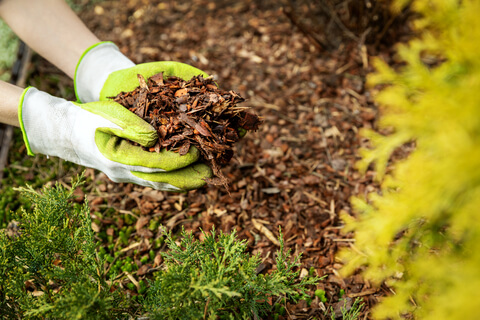
Properly mulching plants is an essential gardening practice that provides numerous benefits for plant health and garden maintenance. Mulch is a layer of material applied to the soil surface around plants to help conserve moisture, control weeds, regulate soil temperature, and improve soil health. Here’s a step-by-step guide on how to properly mulch plants:
1. Choose the Right Mulch Material: Select a suitable mulch material based on your specific gardening needs and plant types. Common mulch options include organic materials like wood chips, straw, leaves, compost, and bark, as well as inorganic materials like gravel and plastic sheeting. Organic mulches decompose over time, contributing to soil health, while inorganic mulches provide longer-lasting weed control but don’t enrich the soil.
2. Prepare the Area: Before applying mulch, make sure the soil around the plants is well-watered and free of weeds. Remove any existing weeds or debris from the area to create a clean surface for mulching.
3. Determine the Thickness: The ideal mulch thickness depends on the material you’re using. Generally, a layer of mulch that’s 2 to 4 inches (5 to 10 cm) thick is recommended. However, some materials, like compost or finely ground materials, can be applied slightly thinner.
4. Apply Mulch: Gently spread the chosen mulch material around the base of the plants, extending it out to cover the entire root zone. Leave a small gap around the stem or trunk of the plants to prevent moisture buildup and potential rot. The mulch layer should be even and consistent in thickness.
5. Avoid “Mulch Volcanoes”: Do not pile mulch up against the base of plants, creating what’s known as “mulch volcanoes.” This can lead to excess moisture retention, disease, and insect problems. Keep the mulch a few inches away from the plant stems or trunks.
6. Reapply as Needed: Over time, organic mulches break down and decompose. Reapply mulch as needed to maintain the recommended thickness. This is typically done annually or as the mulch layer thins out due to decomposition.
7. Consider Seasonal Adjustments: During colder months, you can add a thicker layer of mulch to help insulate plant roots from freezing temperatures. In warmer months, a slightly thinner layer can allow better heat dissipation.
8. Monitor Moisture Levels: Mulch helps retain soil moisture, so be mindful not to overwater plants. Check soil moisture before watering to avoid waterlogged conditions. Mulch can also prevent rainwater from reaching the soil, so adjust watering practices accordingly.
9. Weed Control: Mulch serves as a natural weed barrier, reducing weed growth by blocking sunlight. Any weeds that manage to grow through the mulch are usually easier to pull out due to the loose texture of mulch.
10. Maintain Aesthetics: Mulch can enhance the visual appeal of your garden. Choose a mulch color and texture that complements the overall aesthetic of your landscape.
Remember that different plants have varying preferences for mulch types and depths, so it’s a good idea to research the specific needs of your plants before mulching. Proper mulching can lead to healthier plants, improved soil structure, and a more attractive and manageable garden.