
Mock Orange: Nature’s Favorite “Air Freshener
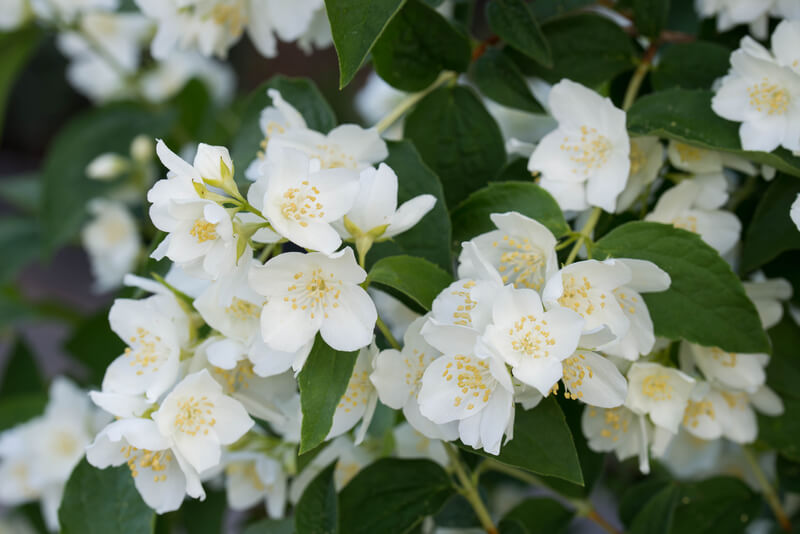
If you’ve ever walked through a garden in late spring and suddenly thought, “Wait, is someone peeling a giant orange nearby?”—congratulations, you’ve met the Mock Orange.
At our nursery, we get asked all the time for plants that bring “sensory vibes” to a space. If you want a garden that smells as good as it looks, this classic shrub is the absolute gold standard.
Why You’ll Fall in Love with Mock Orange
Most people buy it for the scent, but they keep it for the personality. Here’s why the Mock Orange is a certified garden legend:
That Heavenly Scent: The white, four-petaled flowers bloom in late spring/early summer. They pack a powerful citrus punch that can drift across your entire yard. It’s like a natural aromatherapy session every time you step outside.
The “Vintage” Vibe: This is an heirloom favorite. It has a beautiful, fountain-like growth habit with arching branches that give your landscape a soft, romantic look.
Low Maintenance (Really!): Once these guys are settled in, they aren’t picky. They are generally pest-resistant and can handle a bit of neglect.
Pollinator Party: Bees and butterflies can’t get enough of those fragrant blooms. If you’re building a pollinator-friendly garden, this is a must-have.
How to Keep Your Mock Orange Happy
You don’t need a PhD in botany to keep this shrub thriving. Just follow these three simple rules:
Sun Seekers: They love the sun! Plant them in full sun for the maximum amount of flowers. They’ll grow in partial shade, but you might miss out on that “flower explosion” effect.
The Post-Bloom Haircut: Since Mock Orange blooms on “old wood” (last year’s growth), you want to prune it right after the flowers fade. If you wait until winter, you might accidentally snip off next year’s blossoms.
Watering: They like well-drained soil. Give them regular water while they’re young, but once they’re established, they’re surprisingly drought-tolerant.