
Meet the Arrowwood Viburnum: The “Swiss Army Knife” of Your Garden
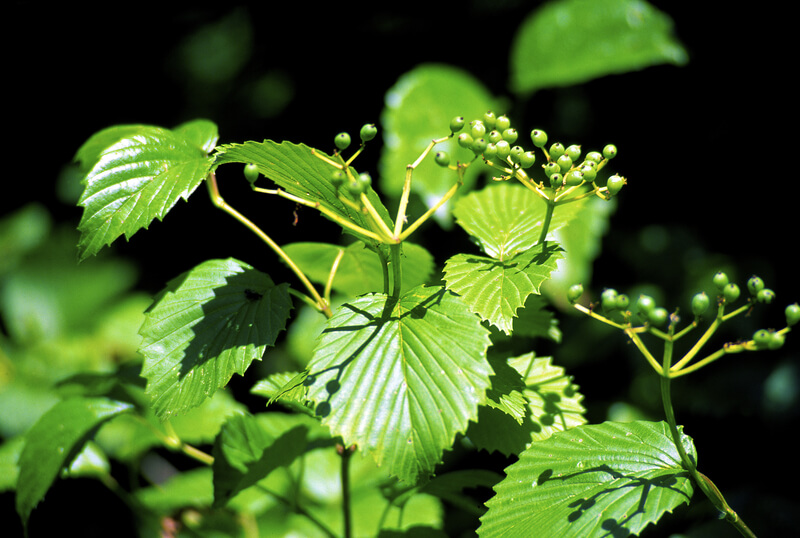
If you’re looking for a plant that works as hard as you do (but looks a lot better doing it), let me introduce you to the Arrowwood Viburnum (Viburnum dentatum).
In the world of landscaping, we like to call this one the “ultimate multitasker.” Whether you’re trying to block out a nosy neighbor, feed the local birds, or just find something you won’t accidentally kill, the Arrowwood is your new best friend.
Here is why this native powerhouse deserves a prime spot in your yard.
1. It’s Tough as Nails
Some plants act like divas if the soil isn’t “just right.” Not the Arrowwood. It’s incredibly adaptable and thrives in:
Full sun to partial shade.
Various soil types (clay, sandy, or loamy).
Different moisture levels (it handles a bit of drought once established, but doesn’t mind “wet feet” occasionally).
2. A Four-Season Showstopper
Why settle for a plant that only looks good for two weeks in May? The Arrowwood Viburnum gives you a year-round performance:
Spring: Creamy white flower clusters that smell like a fresh morning.
Summer: Lush, serrated green foliage that provides a thick “privacy screen.”
Fall: This is the finale! The leaves turn stunning shades of yellow, orange, and deep reddish-purple.
Winter: After the leaves drop, the blue-black berries provide food for birds and visual interest against the snow.
3. The Local Wildlife Love It
If you want to turn your backyard into a bird sanctuary, this is the cheat code. The flowers attract pollinators like butterflies and bees, and the high-fat berries are a favorite for songbirds prepping for winter. Plus, the dense branching makes it a safe “nursery” for nesting birds.
4. History in the Name
Ever wonder why it’s called “Arrowwood”? Native Americans actually used the straight, sturdy young stems to craft—you guessed it—arrows. It’s a cool bit of history to share when guests admire your garden!