
Fall Planting : Evergreens
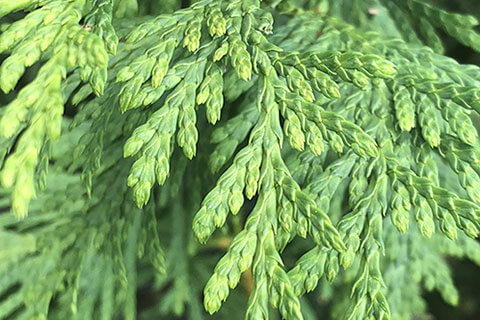
Planting evergreens in the fall can be a strategic and advantageous choice for various reasons. Evergreen trees and shrubs are those that retain their foliage throughout the year, providing greenery and structure even during the winter months. Planting them in the fall offers several benefits:
1. Soil Temperature: In the fall, the soil is still warm from the summer, which encourages root growth. Evergreens benefit from this because they can establish their root systems before the winter frost sets in. A well-established root system increases the plant’s chances of survival and growth when spring arrives.
2. Moisture Levels: Fall typically brings more consistent rainfall than the hot and dry summer months. This extra moisture helps newly planted evergreens establish themselves and reduces the need for frequent watering. Adequate moisture is crucial for root development.
3. Cooler Temperatures: Planting in the cooler fall weather helps reduce stress on the plant. High temperatures and direct sun exposure can be harsh on young evergreens, making it harder for them to establish. Cooler temperatures in the fall are more conducive to healthy growth.
4. Reduced Competition: Many deciduous trees and shrubs drop their leaves in the fall, reducing competition for sunlight, nutrients, and water. This allows evergreens to take advantage of available resources and grow without as much competition.
Here’s how to plant evergreens in the fall:
1. Choose the Right Species: Select evergreen species that are suitable for your climate and soil type. Different evergreens have varying requirements, so do some research or consult with a local nursery to determine the best choices for your area.
2. Prepare the Soil: Ensure the planting site has well-draining soil. Loosen the soil and remove any weeds, rocks, or debris. You may also want to amend the soil with organic matter to improve its fertility and drainage.
3. Dig a Hole: Dig a hole that is slightly wider and no deeper than the root ball of the evergreen you’re planting. The top of the root ball should be level with the ground surface.
4. Remove the Plant from Its Burlap: Gently remove the evergreen from its burlap, taking care not to disturb the roots too much. If the roots are tightly bound, you can gently tease them apart to encourage outward growth.
5. Plant the Evergreen: Place the evergreen in the hole and fill it with soil. Tamp down the soil around the plant to eliminate air pockets. Water thoroughly to settle the soil and remove any remaining air.
6. Mulch: Apply a layer of mulch around the base of the evergreen to help retain moisture, regulate soil temperature, and prevent weeds.
7. Watering: Water the newly planted evergreen regularly in the fall, ensuring the soil stays consistently moist but not waterlogged. Once winter sets in and the ground begins to freeze, reduce watering.
8. Monitor: Keep an eye on your newly planted evergreen throughout the fall and winter. Protect it from harsh winter winds and snow accumulation, if necessary.
By following these steps and planting evergreens in the fall, you give them the best chance to establish strong root systems and thrive in your landscape. It’s an investment in the future beauty and health of your garden.